


Vesilute
$45.49
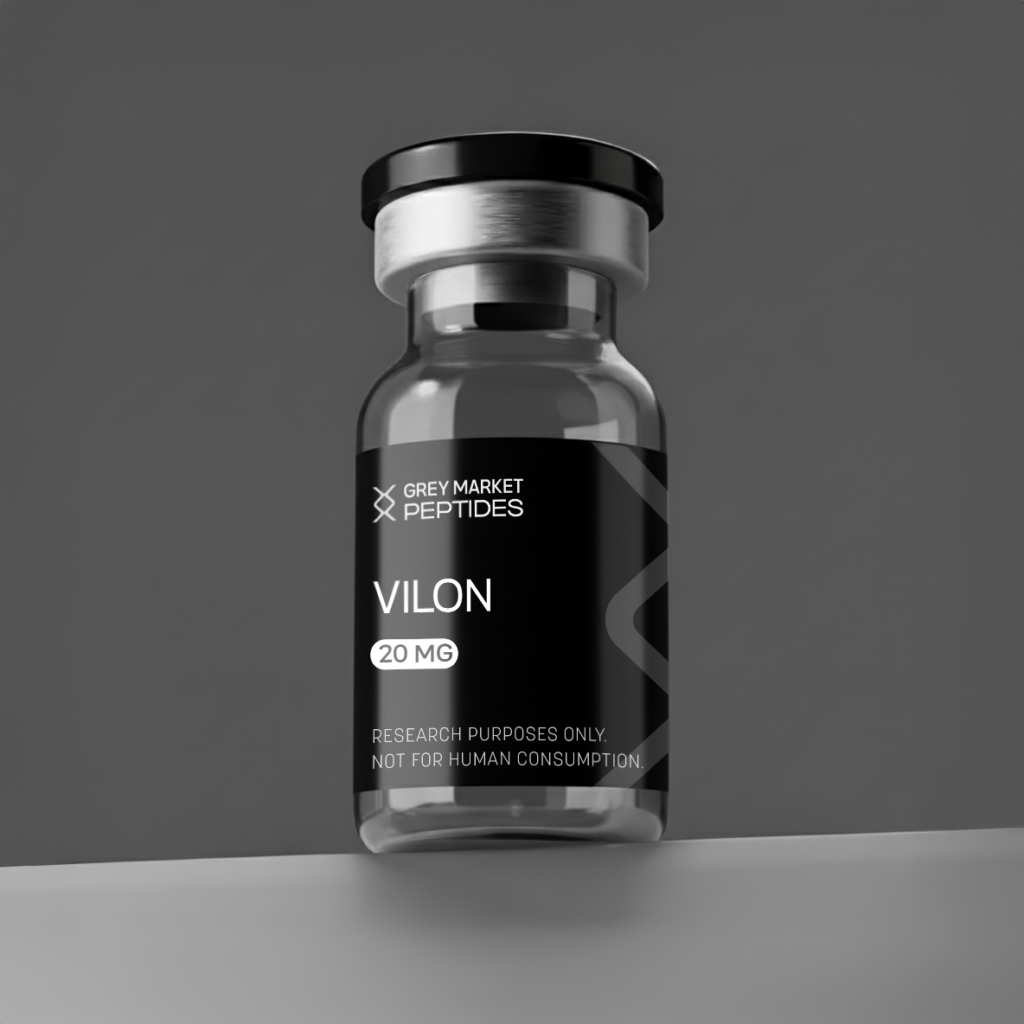
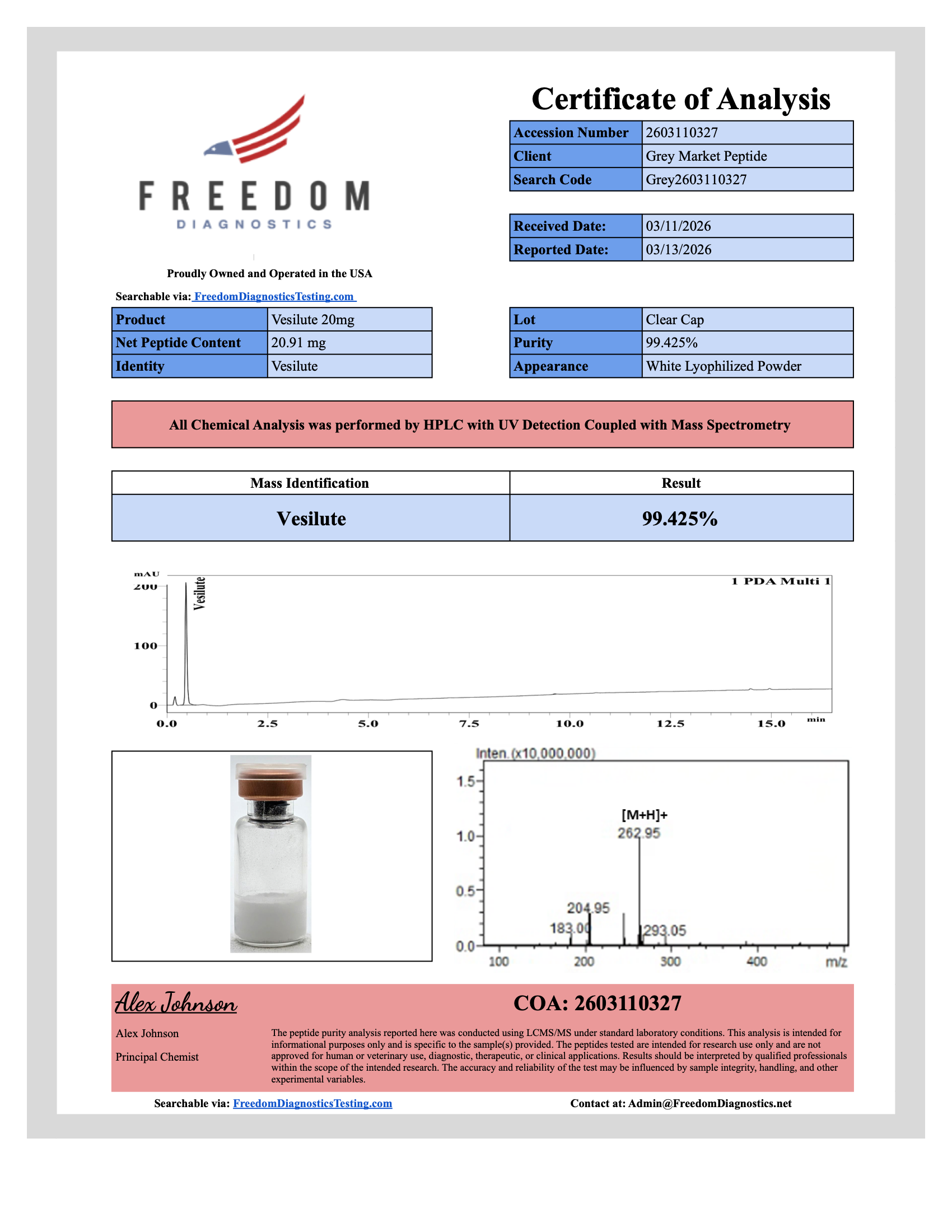
Vesilute is a synthetic peptide studied in urological research involving bladder tissue biology. Laboratory investigations examine its interaction with epithelial cells and signaling pathways associated with bladder tissue stability, cellular communication, and urological tissue structure.
This peptide is for research purposes only. Not for human consumption.
In stock
Description
Bladder Epithelial Cell Research
The bladder lining consists primarily of epithelial cells that maintain barrier protection and regulate cellular signaling within urological tissues. Vesilute is studied in laboratory models involving these epithelial cells to better understand molecular communication pathways.
Researchers explore how peptide signaling compounds interact with epithelial cells and influence cellular processes related to tissue maintenance and structural integrity. Experimental studies may analyze how signaling molecules affect cellular communication and gene expression within bladder epithelial cells.
Urological Tissue Signaling
Urological tissues rely on complex molecular signaling networks to maintain structural organization and cellular function. Research involving Vesilute often focuses on examining these signaling pathways in controlled laboratory environments.
Scientists may investigate how peptides interact with cellular signaling mechanisms responsible for tissue organization, epithelial stability, and cellular adaptation. These studies contribute to a broader understanding of the biological systems that regulate bladder tissue structure.
Bladder Tissue Regeneration Models
Regeneration studies involving bladder tissues often examine how epithelial cells respond to cellular stress or structural disruption. Vesilute may be investigated in laboratory models that simulate these conditions.
Researchers analyze how peptide signaling interacts with pathways associated with tissue repair and epithelial maintenance. These experimental systems help scientists better understand the biological processes that influence bladder tissue stability and regeneration.
Bladder Epithelial Cell Research
The bladder lining consists primarily of epithelial cells that maintain barrier protection and regulate cellular signaling within urological tissues. Vesilute is studied in laboratory models involving these epithelial cells to better understand molecular communication pathways.
Researchers explore how peptide signaling compounds interact with epithelial cells and influence cellular processes related to tissue maintenance and structural integrity. Experimental studies may analyze how signaling molecules affect cellular communication and gene expression within bladder epithelial cells.
Urological Tissue Signaling
Urological tissues rely on complex molecular signaling networks to maintain structural organization and cellular function. Research involving Vesilute often focuses on examining these signaling pathways in controlled laboratory environments.
Scientists may investigate how peptides interact with cellular signaling mechanisms responsible for tissue organization, epithelial stability, and cellular adaptation. These studies contribute to a broader understanding of the biological systems that regulate bladder tissue structure.
Bladder Tissue Regeneration Models
Regeneration studies involving bladder tissues often examine how epithelial cells respond to cellular stress or structural disruption. Vesilute may be investigated in laboratory models that simulate these conditions.
Researchers analyze how peptide signaling interacts with pathways associated with tissue repair and epithelial maintenance. These experimental systems help scientists better understand the biological processes that influence bladder tissue stability and regeneration.